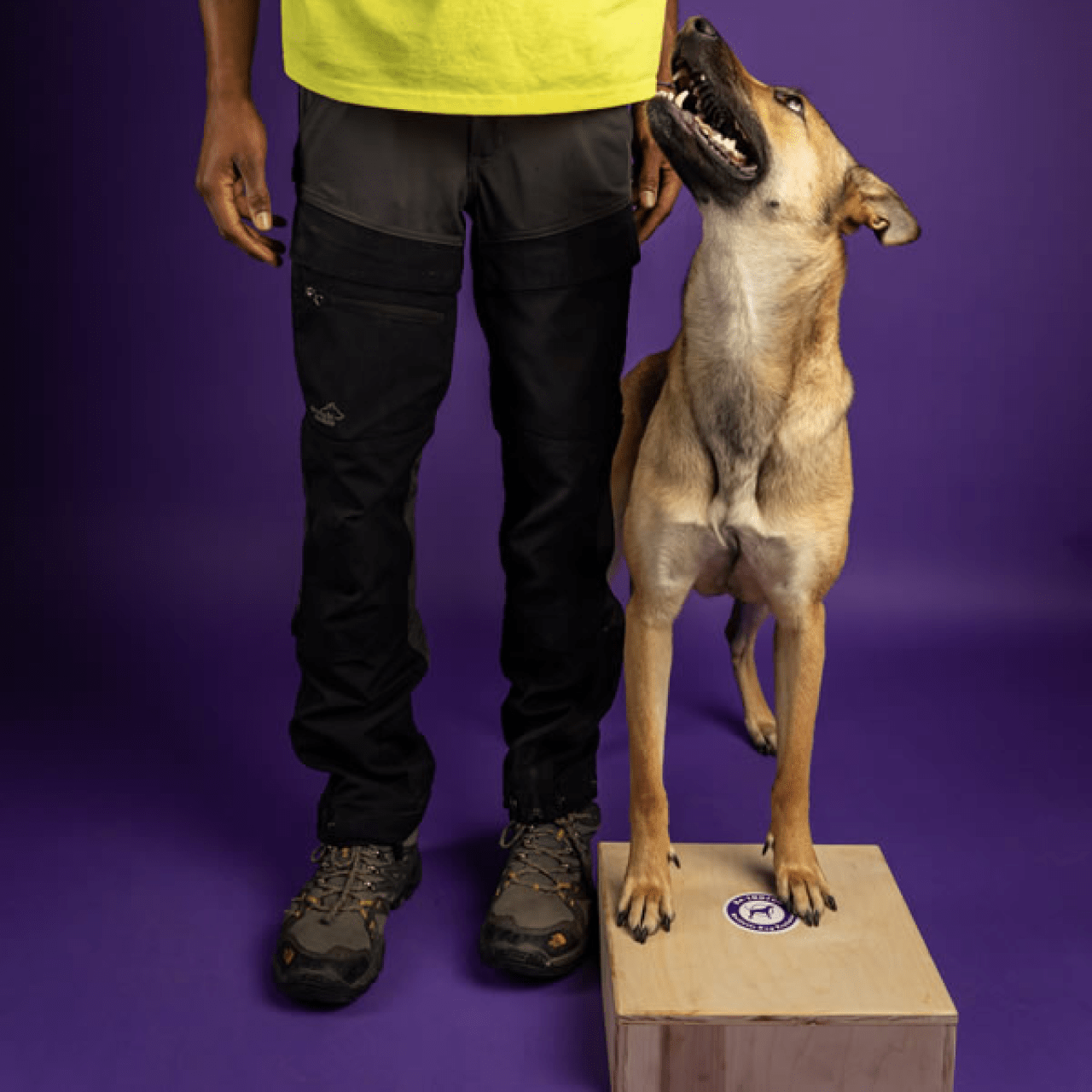


ADA service dogs are powerful partners for individuals with disabilities, enabling independence, safety, and emotional support. Knowing how to advocate for yourself and your service dog is just as important as properly training the dog.
Misunderstanding your rights—or presenting a dog that does not meet ADA standards—can lead to unnecessary conflicts, legal issues, or denial of access.
This guide explains how to confidently, appropriately, and legally assert your rights, while also outlining the responsibilities of service dog handlers.
Know Your Rights Under the ADA
The Americans with Disabilities Act (ADA) protects individuals with disabilities and their service dogs.
Understanding the major areas where these protections apply helps ensure you can confidently advocate for yourself.
Public Access
Service dogs must be allowed in most public spaces, including:
-
Restaurants
-
Stores
-
Hotels
-
Schools
-
Theaters
-
Public transportation
Businesses cannot refuse access simply because a dog is present.
Government Resource:
ADA.gov – Service Animals
https://www.ada.gov/resources/service-animals-2010.htm
Housing Access
Under the Fair Housing Act, service dogs must be allowed in housing—even in buildings with “no pets” policies.
Housing providers may request documentation verifying the disability and need for the service animal, but they cannot charge pet fees.
Government Resource:
HUD – Service Animals and Assistance Animals
https://www.hud.gov/program_offices/fair_housing_equal_opp/assistance_animals
Air Travel
Under the Air Carrier Access Act, airlines must allow service dogs to travel in the cabin with their handlers.
Airlines may require paperwork, but they cannot deny service dogs solely due to breed or size.
Government Resource:
U.S. Department of Transportation – Flying with Service Animals
https://www.transportation.gov/airconsumer/fly-rights
Limited Questions Businesses Can Ask
Businesses are legally allowed to ask only two questions:
-
Is the dog a service animal required because of a disability?
-
What work or task has the dog been trained to perform?
They cannot:
-
Require certification
-
Demand documentation
-
Ask about the disability itself
Reference:
ADA National Network – Service Animals FAQ
https://adata.org/factsheet/service-animals
The Dos of Advocating for Yourself and Your Service Dog
Successful advocacy is built on professionalism, preparation, and knowledge.
Be Confident and Polite
A calm and professional approach helps prevent unnecessary conflict.
Understand the Law
Knowing the ADA, Fair Housing Act, and airline regulations strengthens your ability to advocate effectively.
Carry Optional Documentation
While not legally required, carrying documentation explaining your dog’s trained tasks can sometimes resolve misunderstandings quickly.
Educate Respectfully
Many businesses or landlords simply do not understand the law. A brief explanation can often solve the issue.
Ensure Proper Training
A well-trained service dog that behaves calmly in public is your strongest advocate.
Government Resource:
ADA.gov – Service Animals
https://www.ada.gov/resources/service-animals-2010.htm
The Don’ts of Advocacy
Do Not Misrepresent a Pet as a Service Dog
Misrepresenting a pet as a service dog is illegal in some states and damages trust for legitimate handlers.
Avoid Confrontation
Aggressive interactions can escalate situations unnecessarily and may lead to denial of service.
Follow Public Safety Rules
Service dogs must still comply with:
-
Leash laws
-
Sanitation rules
-
Basic safety standards
ADA protections do not exempt dogs from proper behavior requirements.
Be Prepared for Knowledge Gaps
Many businesses or housing staff may not fully understand ADA laws. Always be prepared with reliable government resources.
Understanding Business and Housing Policies
Although the ADA protects service dogs, businesses and housing providers may have policies affecting how service dogs are handled.
Understanding these differences helps avoid confusion.
Businesses
Businesses cannot refuse entry but may enforce reasonable rules related to:
-
Dog control
-
Supervision
-
Hygiene
Housing Providers
Housing providers may request verification but cannot charge pet fees or deny tenancy.
Reference:
HUD – Service Animals and Assistance Animals
Private Organizations
Organizations such as gyms or clubs must follow ADA requirements if they are open to the public.
Schools
Schools must accommodate service dogs for students with disabilities, though coordination with administration may be required.
Reference:
ADA National Network – Service Animals FAQ
The Importance of a Legitimate Service Dog
The credibility of your service dog matters.
Pet dogs or untrained animals cannot legally access public spaces as service dogs.
Attempting to present an untrained dog as a service dog can:
-
Lead to legal penalties in some states
-
Damage public trust in legitimate service dog handlers
-
Result in denied access
-
Put people and animals at risk
Government Reference:
ADA.gov – Service Animals
A properly trained service dog ensures safe and reliable access to the protections provided under the law.
Key Tips for Advocacy Success
Stay Informed
Keep updated on ADA guidelines and related laws.
Helpful resources include:
-
ADA National Network
-
ADA.gov – Service Animals
-
U.S. Department of Transportation – Flying with Service Animals
-
HUD – Service Animals and Assistance Animals
-
U.S. Access Board – Guidelines and Standards
Document Training
Maintaining records of training sessions, tasks, and certifications helps demonstrate legitimacy when needed.
Remain Professional
Clear and respectful explanations about your dog’s role usually prevent misunderstandings.
Know Your Legal Options
If your rights are violated, complaints may be filed with:
-
The U.S. Department of Justice
-
HUD (for housing issues)
-
Local ADA enforcement agencies
Conclusion
Advocating for yourself and your ADA service dog requires knowledge, preparation, and professionalism.
By understanding your legal rights, maintaining a well-trained service dog, and communicating respectfully, you can ensure access to public spaces, housing, travel, and more.
Misrepresenting a pet as a service dog not only risks legal consequences but also harms the trust that legitimate service dog handlers rely on.
Responsible advocacy protects your rights, supports your dog’s safety, and ensures that service dog access remains available for those who truly depend on it.
Government References
-
ADA.gov – Service Animals
https://www.ada.gov/resources/service-animals-2010.htm -
ADA National Network – Service Animals FAQ
https://adata.org/factsheet/service-animals -
HUD – Service Animals and Assistance Animals
https://www.hud.gov/program_offices/fair_housing_equal_opp/assistance_animals -
U.S. Department of Transportation – Flying with Service Animals
https://www.transportation.gov/airconsumer/fly-rights -
U.S. Access Board – Guidelines and Standards
https://www.access-board.gov/guidelines-and-standards