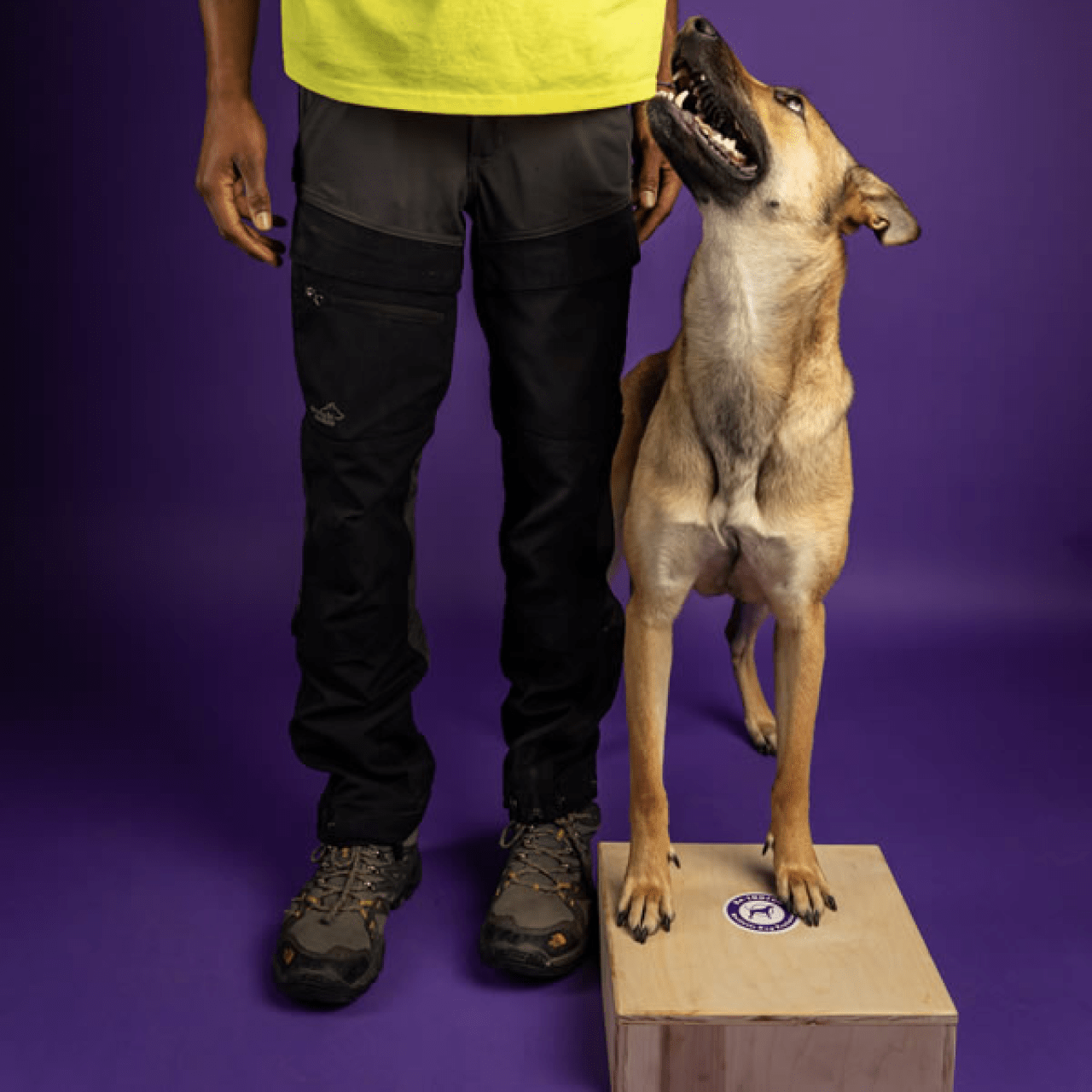


Service dogs provide critical assistance to individuals with disabilities, offering independence, safety, and emotional support. Under the Americans with Disabilities Act (ADA), service dogs are granted specific rights, ensuring they can accompany their handlers in public spaces.
Understanding these rights, training requirements, and proper care is essential for both handlers and organizations.
What Is an ADA Service Dog?
The ADA defines a service dog as a dog individually trained to perform tasks or work for a person with a disability. These disabilities may be physical, sensory, psychiatric, intellectual, or other mental disabilities.
Common examples include dogs trained to:
-
Guide individuals who are blind or visually impaired
-
Alert deaf individuals to important sounds
-
Assist individuals with mobility challenges
-
Perform psychiatric support tasks for conditions such as PTSD or autism
Service dogs are not pets — they are working animals trained to assist with specific disability-related tasks.
History of ADA Service Dogs
The use of service dogs in the United States expanded significantly after the Americans with Disabilities Act was passed in 1990.
The ADA was designed to reduce barriers and provide equal access for individuals with disabilities. Recognizing the unique capabilities of trained dogs, the law established protections that allow service dogs to accompany their handlers in public spaces.
Since the passage of the ADA, service dog training programs have evolved and expanded to include specialized training for conditions such as:
-
PTSD
-
Autism
-
Mobility impairments
-
Sensory disabilities
Today, service dogs play a vital role in supporting independence and improving quality of life.
Rights of ADA Service Dogs
Under the ADA, service dogs have legal access to most public spaces, including:
-
Restaurants
-
Stores
-
Hotels
-
Public transportation
-
Workplaces
Businesses and public facilities cannot deny access to a service dog or its handler.
They also cannot:
-
Charge additional fees
-
Require documentation or certification
-
Demand proof of training
The only exceptions may apply in certain airline-related situations, which fall under separate regulations.
Key Legal Resources
For official guidance and detailed legal information, consult these resources:
-
ADA National Network
https://adata.org -
U.S. Department of Justice – Service Animals
https://www.ada.gov/resources/service-animals-2010.htm -
Air Carrier Access Act (Airlines)
https://www.transportation.gov/airconsumer/fly-rights -
U.S. Access Board
https://www.access-board.gov/guidelines-and-standards
Service Dogs vs. Therapy Dogs vs. Emotional Support Animals
Understanding the difference between these roles is important for legal compliance.
Service Dogs
-
Trained to perform specific disability-related tasks
-
Have full public access rights under the ADA
Therapy Dogs
-
Provide emotional comfort in places such as:
-
Hospitals
-
Schools
-
Therapy centers
-
-
Do not have public access rights
Emotional Support Animals (ESAs)
-
Provide comfort for mental health conditions
-
Protected under housing laws
-
Not covered by the ADA for public access
Training Programs for ADA Service Dogs
Proper training ensures a service dog is reliable, safe, and effective. Programs vary depending on the needs of the handler.
Core Service Dog Training
Focuses on fundamental obedience and task performance.
Common keywords associated with this training include:
-
Service dog training
-
Professional service dog trainer
-
Canine assistance training
Assistance Dog Training Programs
These programs cover broader support roles, including mobility and sensory assistance.
Examples include:
-
Assistance dog training programs
-
Specialized disability service dog training
Emotional Support and Therapy Dog Training
Focused on mental health support or therapeutic visits.
Examples include:
-
Therapy dog training
-
Emotional support dog training
-
PTSD service dog training
-
Autism service dog training
Advanced and Custom Training
Some handlers require specialized or complex task training.
Examples include:
-
Custom service dog training
-
Advanced service dog obedience training
-
Service dog behavior modification
Board and Train / Puppy Programs
These immersive programs help prepare dogs early for service roles.
Examples include:
-
Board and train service dog programs
-
Puppy service dog training programs
-
Private service dog sessions
-
Professional dog trainers
Step-by-Step Guide to Training a Service Dog
Training a service dog typically follows several stages:
-
Assess the handler’s needs and identify required tasks.
-
Teach basic obedience, including:
-
Sit
-
Stay
-
Come
-
Heel
-
Leave it
-
-
Public access training, exposing the dog to crowds, noises, and different environments.
-
Task-specific training, such as:
-
Guide work
-
Mobility assistance
-
Psychiatric support
-
-
Ongoing reinforcement through regular training refreshers.
-
Socialization, ensuring calm and safe behavior around people and other animals.
Maintaining Service Dog Behavior
Consistency is essential for maintaining a reliable service dog.
Key practices include:
-
Daily reinforcement training
-
Positive reinforcement, such as treats and praise
-
Regular sessions with a professional trainer
-
Routine veterinary care and exercise
These practices help maintain both the dog’s physical health and behavioral reliability.
Real-World Applications
Service dogs perform many important tasks across different disabilities.
PTSD Service Dog Training
Dogs can help by:
-
Interrupting panic attacks
-
Providing grounding support
-
Alerting handlers to triggers
Autism Service Dog Training
These dogs help with:
-
Safety and wandering prevention
-
Social cues
-
Emotional regulation
Mobility Assistance Dogs
Tasks may include:
-
Retrieving objects
-
Opening doors
-
Providing balance support
Frequently Asked Questions
Can businesses ask for proof that a dog is a service dog?
No documentation is required.
Businesses may only ask two questions:
-
Is the dog a service animal required because of a disability?
-
What work or task has the dog been trained to perform?
Are emotional support animals covered by the ADA?
No.
Emotional Support Animals are protected under housing laws, but they do not have public access rights under the ADA.
Can I train my own service dog?
Yes.
Individuals are allowed to train their own service dogs, though professional guidance can improve reliability and public access success.
Additional Government Resources
-
ADA National Network – Service Animals FAQ
https://adata.org/service-animals -
Department of Justice – ADA Service Animals
https://www.ada.gov/resources/service-animals-2010.htm -
Air Carrier Access Act – Flying with Service Animals
https://www.transportation.gov/airconsumer/fly-rights -
U.S. Access Board
https://www.access-board.gov/guidelines-and-standards
Conclusion
ADA service dogs are indispensable partners for individuals with disabilities. Understanding their legal rights, training requirements, and public access protections helps ensure these dogs can effectively support their handlers.
Investing in professional service dog training programs — whether for PTSD, autism, mobility assistance, or other specialized needs — enhances the quality of life for both handlers and their service dogs.